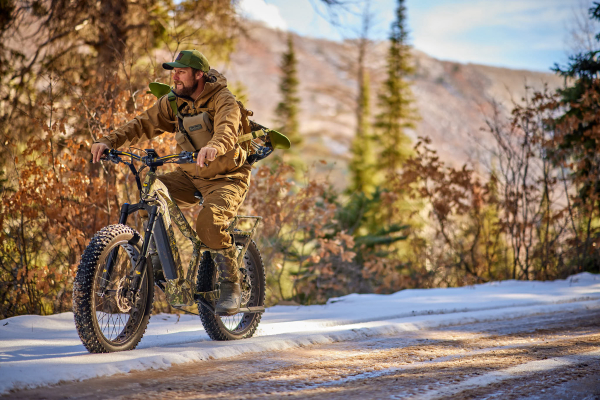

Q: Why buy an e-bike?
A: Buying an e-bike can be a practical and enjoyable choice for various reasons, including environmental considerations, cost savings, health benefits, and convenience. It ultimately depends on your individual needs and preferences, but e-bikes offer a compelling alternative to traditional modes of transportation.
Here are some of the compelling reasons why people choose to buy e-bikes:
— Eco-Friendly Transportation: E-bikes are environmentally friendly as they produce zero emissions. They help reduce air pollution and greenhouse gas emissions, making them a sustainable mode of transportation.
— Cost-Effective: While the upfront cost of an e-bike can be higher than a traditional bicycle, it's often much cheaper than owning and maintaining a car or motorcycle. E-bikes require minimal maintenance and have lower operating costs.
— Health Benefits: E-bikes can be a fun way to stay active and improve your fitness. You can choose the level of assistance you want, so you can get exercise while still having the option to rely on the electric motor when needed, such as on uphill climbs.
— Commute Efficiency: E-bikes are a practical choice for commuting. They allow you to cover longer distances with less effort, making them a suitable alternative to driving or using public transportation in many cases. You can also avoid traffic congestion and parking hassles.
— Time-Saving: E-bikes can be faster than traditional bicycles because of the assistance provided by the electric motor. This can help you save time on your daily commute or errands.
— Accessibility: E-bikes make cycling more accessible to a wider range of people. They are suitable for riders of different fitness levels and can help individuals with mobility issues or older adults stay active and mobile.
— Hill Climbing: E-bikes make it easier to conquer steep hills and challenging terrain. You can reach destinations that might be difficult to reach on a regular bike.
— No Sweat Commuting: E-bikes are ideal for those who want to arrive at their destination without breaking a sweat. This can be particularly useful for commuting to work or social events.
— Fun and Enjoyment: Riding an e-bike can be an enjoyable and exhilarating experience. The electric assistance allows you to go faster and cover more ground while still enjoying the pleasures of cycling.
— Reduced Stress: E-bikes can reduce stress associated with commuting, such as road rage and parking stress. They offer a more relaxed and enjoyable way to get around.
— Versatility: E-bikes come in various styles, including mountain bikes, road bikes, and city bikes, allowing you to choose the one that suits your needs and preferences.
— Reduced Noise Pollution: E-bikes are much quieter than motorized vehicles, contributing to quieter and more peaceful urban environments.
— Less Congestion: The more people choose e-bikes for transportation, the less congested roads and bike paths become, benefiting everyone on the road.
Q: For fitness minded folks, how is an e-bike good versus a conventional bike?
A: An electric bike, or e-bike, can have several health and fitness benefits, even though it provides some level of assistance with pedaling. Here are some ways in which e-bikes can contribute to your health and fitness:
— Increased Physical Activity: E-bikes still require you to pedal, but they provide assistance, making it easier to maintain higher speeds and tackle hills. This means you can cover longer distances and get more exercise than you might on a traditional bike. You can adjust the level of assistance to match your fitness level and gradually increase it as you become more accustomed to cycling.
— Cardiovascular Health: Riding an e-bike can provide a good cardiovascular workout. The act of pedaling and maintaining a steady pace can elevate your heart rate and improve cardiovascular fitness. Regular e-bike riding can help lower the risk of heart disease, reduce blood pressure, and improve overall heart health.
— Muscle Strength and Endurance: While e-bikes provide assistance, they still engage your leg muscles, particularly the quadriceps and calves, as you pedal. Over time, this can help build and tone leg muscles. Riding uphill or against the wind can also provide an excellent lower body workout.
— Joint-Friendly Exercise: E-bikes are easier on the joints compared to high-impact activities like running. They offer a low-impact form of exercise that is gentler on the knees, hips, and ankles, making them suitable for people with joint issues or those recovering from injuries.
— Stress Reduction: Cycling, even with the assistance of an e-bike, can be a great way to reduce stress and improve mental well-being. Being outdoors, enjoying the scenery, and getting fresh air can have positive effects on your mental health.
— Increased Consistency: E-bikes can encourage regular exercise by making it more enjoyable and accessible. People who might otherwise find cycling too challenging may be more likely to stick with it when they have the option of using pedal assistance.
— Extended Rides: E-bikes allow you to cover greater distances in a single ride, making it easier to explore new areas and enjoy longer rides. This can keep your cycling routine interesting and motivate you to explore different routes and terrains.
— Weight Management: Regular e-bike riding can help with weight management by burning calories and increasing metabolism. It can be an effective part of a weight loss or maintenance program when combined with a balanced diet.
It's important to note that while e-bikes offer fitness benefits, they are not a substitute for traditional exercise. Incorporating other forms of physical
Q: How can an e-bike help you as a hunter?
A: Electric bikes have gained popularity among hunters for several reasons, making them a good choice for hunting in various environments. It's important to note that while e-bikes offer many advantages for hunting, regulations regarding their use can vary by location. Hunters should familiarize themselves with local laws and regulations governing e-bike use for hunting to ensure they are in compliance. Additionally, hunters should always prioritize safety and ethical hunting practices when using any mode of transportation in the field.
Here are some of the key benefits of using e-bikes for hunting:
— Stealth and Quiet Operation: E-bikes are quieter than traditional gas-powered vehicles, which is crucial for maintaining a low profile while hunting. The electric motor produces minimal noise, reducing the chances of scaring away game animals.
— Minimal Scent: E-bikes do not emit exhaust fumes or odors like gas-powered vehicles, further minimizing your scent profile in the hunting area.
— Maneuverability: E-bikes are typically lightweight and agile, allowing hunters to navigate through rough terrain, narrow trails, and dense forests more easily than larger vehicles. This maneuverability can be especially advantageous when tracking or pursuing game.
— Extended Range: E-bikes often come with multiple power settings and pedal-assist modes, allowing hunters to cover more ground without expending excessive physical energy. This extended range can be particularly beneficial for reaching remote hunting spots or scouting new locations.
— Reduced Physical Strain: Hunting can be physically demanding, especially if you need to cover long distances on foot. E-bikes provide assistance through pedal-assist or throttle modes, reducing the physical strain on hunters and allowing them to stay in the field longer.
— Carrying Gear: E-bikes typically come with cargo racks and baskets, which can be used to transport hunting gear, game, and supplies. This makes it easier to carry equipment and game back to your camp or vehicle.
— Environmentally Friendly: E-bikes produce no emissions and are more environmentally friendly than gas-powered vehicles. This can be important for hunters who want to minimize their impact on the environment and wildlife.
— Cost Savings: E-bikes are generally more cost-effective to operate than gas-powered vehicles. They require less maintenance, and electricity is typically cheaper than gasoline.
— Accessibility: E-bikes can be used by hunters of various fitness levels, making hunting more accessible to a wider range of individuals.
Q: Where do e-bikes stand versus atv’s and when do you pick one or the other?
A: Choosing between an e-bike and an ATV (depends on your specific needs, preferences, and the intended use. The choice between an e-bike and an ATV depends on your specific needs and preferences. E-bikes are more environmentally friendly, cost-effective, and versatile for various uses, including commuting and recreational riding. ATVs, on the other hand, excel in off-road performance and can handle more rugged terrain. Consider your intended use, budget, and environmental concerns when making your decision.
Q: What should e-bike buyers look for in a first bike?
A: When buying an electric bike (e-bike), there are several factors to consider ensuring that you make the right choice based on your needs and preferences. Here are some key things buyers should look at when purchasing an e-bike:
1. Type of E-Bike:
— City/Urban E-Bike: Designed for commuting and urban riding.
— Mountain E-Bike (E-MTB): Built for off-road and trail riding.
— Folding E-Bike: Compact and portable for easy storage and transportation.
— Cargo E-Bike: Equipped to carry heavy loads or passengers.
— Road E-Bike: Designed for high-speed road cycling.
2. Motor Type:
— Hub Motors: Located in the wheel hub (front or rear), they are quieter and require less maintenance.
— Mid-Drive Motors: Positioned at the bike's crank, these provide better balance and more efficient power transfer, especially for hilly terrain.
3. Motor Power (Wattage): Higher wattage typically provides more power and speed. Consider your intended use and local regulations when choosing the motor power.
4. Battery Capacity (Ah or Wh): A larger battery capacity provides longer range. Evaluate how far you need to ride on a single charge.
5. Range: Consider the estimated range of the e-bike based on your typical riding conditions and the battery capacity. Keep in mind that factors like terrain, rider weight, and assist level can affect the range.
6. Assist Levels: E-bikes often have multiple assist levels (e.g., eco, trail, boost). Check if the bike offers the level of assistance you need for different riding scenarios.
7. Frame Size and Geometry: Ensure that the frame size and geometry are suitable for your height and riding comfort.
8. Brakes: Disc brakes, especially hydraulic disc brakes, offer superior stopping power. Consider the terrain you'll be riding on when choosing brake types.
9. Tires: Tire size and tread pattern should match your riding style (e.g., wider tires for off-road, narrower for road).
10. Suspension: Full suspension is essential for off-road e-bikes, while urban bikes may have front suspension or none at all.
11. Weight: Consider the weight of the e-bike, especially if you need to lift or transport it regularly.
12. Frame Material: Common materials include aluminum and carbon fiber. The material affects weight and durability.
13. Additional Features: Look for extras like integrated lights, fenders, racks, and a comfortable saddle to enhance your riding experience. Also, carrying the gear you need to achieve your activity (hunting, camping, fishing ect..)
14. Price and Warranty: Determine your budget and compare e-bikes within that range. Also, check the warranty offered by the manufacturer.
15. Test Ride: If possible, test ride several e-bikes to get a feel for their performance and comfort. Pay attention to how the bike handles and accelerates.
16. Reviews and Recommendations: Research online reviews and ask for recommendations from experienced e-bike riders or local bike shops.
17. Local Regulations: Familiarize yourself with local laws and regulations regarding e-bike use, especially speed and power limits.
18. Maintenance and Service Consider the availability of service centers and replacement parts for the brand and model you choose.
By carefully considering these factors, you can make an informed decision and select an e-bike that suits your needs and preferences. Keep in mind that personal preferences and riding conditions can vary, so prioritize what matters most to you in an e-bike.